
Columbarium Niche Planning: Sizes, Capacity & Expansion for Cemeteries
April 8, 2026
Key Takeaways:
- Strategic columbarium niche size planning supports long-term cemetery expansion. The right niche dimensions help cemeteries increase capacity, meet rising cremation demand, and grow revenue within existing property.
- A larger columbarium niche size provides greater flexibility for a niche for urns. Expanded dimensions allow multiple urns or larger vessels in one niche, supporting companion and multi-generational inurnment.
- Columbaria maximize land use by fitting many niches for ashes in a small footprint. Efficient design allows cemeteries to add significant capacity without acquiring additional land.
You’d be hard-pressed to name a business that doesn’t rely on growth to turn a profit. And while there are some consistent income generators available to fully sold cemeteries—flower placement, maintenance plans, interment services for pre-sold plots and burial niches—expanding cemetery grave space is key to sustained revenue growth.
Yet expansion isn’t always a straightforward process. It begins with strategic planning and is likely to face some significant challenges along the way. In some cases, growing within your existing space is the best—or only—option for increasing capacity. Adding columbaria— particularly by building units that maximize columbarium niche size—becomes the most practical solution for meeting future demand.
Here, we’ll discuss how cemetery operators can successfully approach columbarium niche planning—from size and capacity considerations to phased expansion strategies that support long-term growth.
Understanding Why Capacity Planning Matters
Even with unlimited access to land, it’s still critical to use acreage efficiently. Infrastructure and maintenance costs can skyrocket in poorly planned spaces, and long-term sustainability is a factor as well. There are also concerns about underbuilding—not adding inventory quickly enough to meet demand—and overbuilding—tying up capital in unsold plots and niches for urns.
Developing a plan and following it ensures your cemetery keeps up with demand while protecting both revenue and resources.
Modeling Demand
Effectively using your space, right down to fine points like columbarium niche size, requires planning your development to meet anticipated demand.
Begin by taking a look at overall trends. With cremation rates projected to reach 80% in North America within the next few years, expanding capacity by offering more niches for ashes is essential for meeting future memorial needs.
You can further refine your demand model by mining area-specific data, including:
- Burial vs. cremation rates in your county or state
- Demographics of your service area (population growth, average resident age)
- Historic sales data for your own property and nearby memorial sites
Armed with this information, you can make reasonable estimations of your capacity requirements for the next 10 to 20 years.
Evaluating Capacity Constraints
Once you know how much capacity you require to meet demand, you need to evaluate your options for reaching that goal. Ask yourself:
- Do I have enough land to accommodate projected occupancy?
- Can I add more square footage to increase burial space?
- If adding acreage isn’t an option, what are my alternatives?
Facing the Challenges of Adding Acreage
Of course, acquiring more land allows room to expand. However, that’s not a practical option for many memorial park operators. There are both regulatory and strategic challenges that prohibit expanding a property’s footprint.
1. Limited Availability
Growing demand is a double-edged sword. While most business owners welcome community expansion as a revenue opportunity, available land often becomes scarce when areas boom. Surrounding parcels may already be developed or earmarked to meet other community needs.
2. Rising Land Costs
When land is scarce, prices soar. Property owners in high-growth areas hold the upper hand, and they price their parcels accordingly. Adding acreage can be prohibitively expensive.
3. Zoning Restrictions
In most municipalities, every parcel of land is zoned for a specific use—residential, commercial, agricultural, etc. So even if adjacent land is available and affordable, it would likely need to be rezoned. That process typically requires lengthy hearings, environmental reviews, planning board approvals, and more bureaucratic red tape that isn’t worth taking on.
4. Community Opposition
Although burial space is a necessity within communities, people generally resist having homes, businesses, or activity centers next to cemeteries. Residents may oppose your expansion due to worries about their property values and curb appeal. Public opposition can delay or derail your expansion plans.
5. Long-Term Risk
Purchasing large parcels of land for future use requires significant capital and carries a level of uncertainty. While current trends may point toward the need for expansion, any changes in demographics or memorial preferences can affect how quickly cemeteries earn a return on investment.
Faced with these challenges, cemetery operators are increasingly looking at columbarium structures and careful niche size planning as the most practical strategies to increase capacity.
Expanding Within Your Existing Footprint
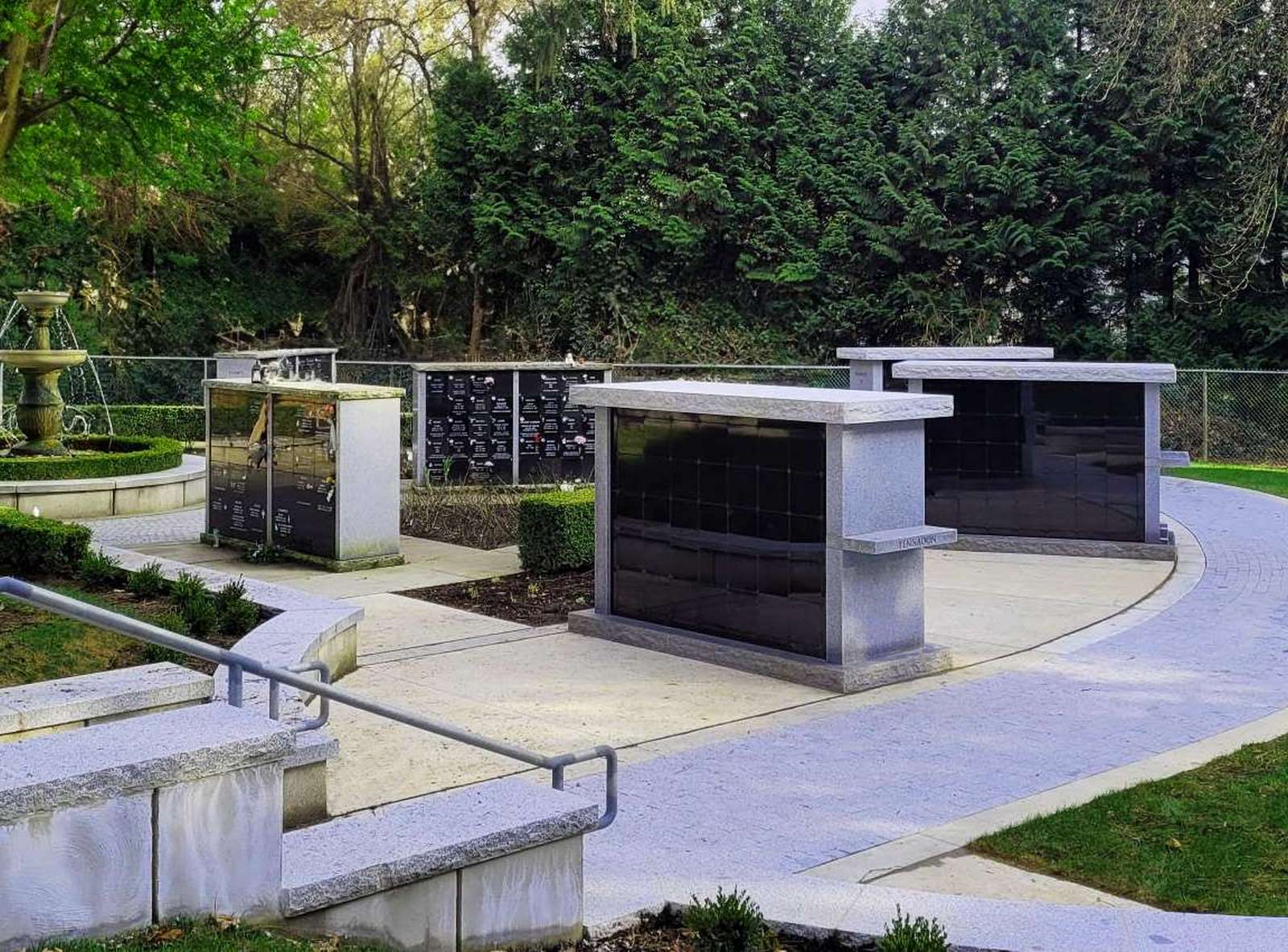
Columbaria offers a clear solution for expanding capacity without acquiring more land. With attention to factors like structural materials and columbarium niche size, a unit occupying the same footprint as 10 traditional in-ground plots can accommodate as many as 100 niches for ashes.
Why Effective Design Matters
Not all columbaria are equal in terms of maximizing capacity within the same footprint. The interior design determines the size of each columbarium niche, and therefore the amount of usable space for urns each niche provides.
Traditional interior construction relies on heavier materials that reduce saleable space. The combined aluminum and granite interiors of KyberCC’s columbaria allow for larger niche sizes. Instead of the 12” x 12” x 12” measurements found in standard units, Kyber’s columbarium niche dimensions are 13” high x 12” wide x 14” deep.
Increasing Capacity & Sales Opportunities With a Larger Columbarium Niche Size
With extra space in each niche, the ashes of more family members can be inurned together. More individual urns may be placed in each niche, and larger urns containing combined remains can be accommodated.
With the option to place multiple remains in one space, families have more flexibility in choosing how to memorialize their loved ones. This supports companion and multi-generational memorialization in a shared niche for urns. At the same time, it allows cemeteries to generate additional inurnment income within their columbarium inventory.
Options such as glass-front niches and dedicated family units offer other ways for families to personalize memorials. They also allow cemeteries to maximize the value of each niche for urns.
Planning for Strategic Expansion
Once you determine that columbaria with larger niche sizes offer the most effective way to meet future memorial demand, the next question is how to develop that capacity over time. Phased development allows operators to expand memorial capacity gradually, aligning new construction with upcoming demand rather than committing large amounts of upfront capital to inventory that will sit unused for years.
1. Building Inventory in Stages
Instead of installing several structures at once, add new sections based on sales velocity. For example, you might plan to begin construction on your next columbarium when your current unit reaches a certain sales threshold, such as 60-70% occupancy.
This approach avoids shortages of niches for ashes while eliminating the financial pressure of building too far ahead of demand.
2. Planning Infrastructure for Future Additions
Even with phased installation, it is smarter to plan infrastructure with your future expansion in mind. That way, pathways, landscaping, utilities, and garden design are all prepared for or in place, and future phases integrate easily into your space.
3. Keeping Consistency in Mind
When not properly planned, piecemeal additions can create a patchwork appearance. Incorporating consistent architectural styles, materials, and layout patterns helps maintain a cohesive environment, even as new units to house niches for urns are installed years apart.
Working With a Trusted Partner Early in Your Expansion
Partnering with an experienced manufacturer early in the planning process helps cemeteries design columbarium solutions that support long-term growth. Established companies with decades of expertise understand the realities of expansion and can help you plan additions that accommodate both current and future needs.
Kyber Columbarium and Construction has been building columbaria for more than 50 years. Our custom design options, expanded columbarium niche size, durable construction, and commitment to quality are particularly valuable for cemeteries planning phased growth. Trusting your long-term project to a consistent partner helps ensure design continuity, reliable supply, and ongoing support.
Connect with Kyber today to begin planning an effective expansion solution that supports your cemetery’s long-term profitability.


