
Are Cemeteries Profitable? How Columbaria Drive Long-Term Revenue
February 25, 2026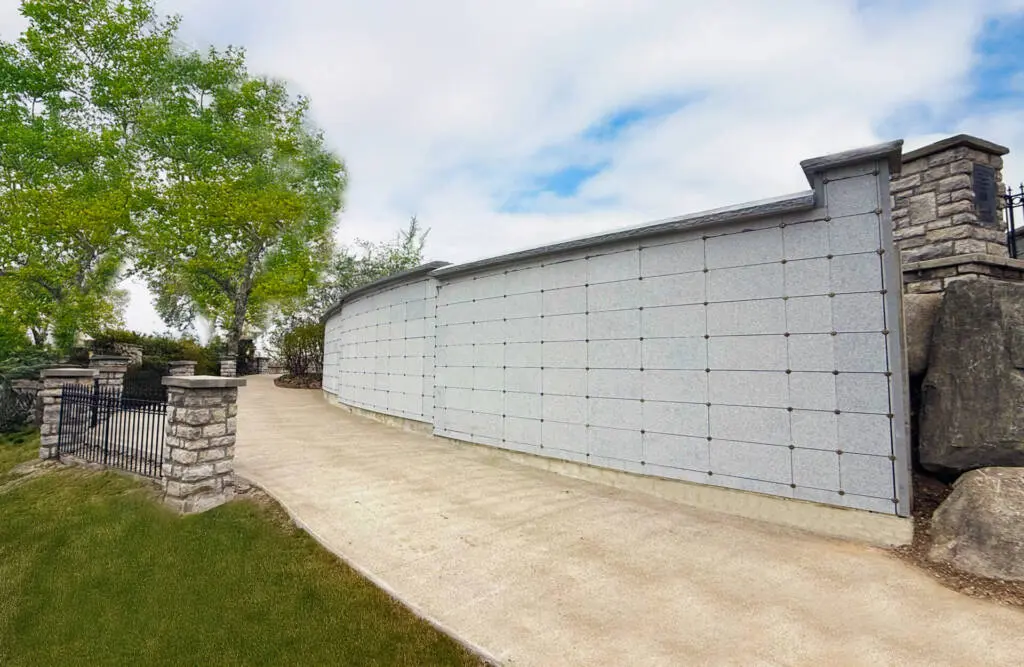
- Cemeteries are profitable when they effectively respond to consumer demand, land limitations, and rising costs.
- By making use of vertical space, columbaria boost profitability by maximizing interment capacity without requiring more land.
- When you leverage the expertise of Kyber Columbarium and Construction, every square foot of your property can generate higher revenue, increased margins, and sustainable returns.
Like all businesses, cemeteries must generate revenue to cover operating costs and fund growth. For most memorial site owners, the goal goes beyond breaking even—it’s about achieving long-term, sustainable profitability.
When today’s cemeteries are profitable, it’s largely due to adaptability. Operators who proactively respond to shifting consumer preferences, land constraints, and ever-increasing development costs gain a clear advantage over competitors who are slower to adjust.
Here, we’ll answer some key questions around profitability, including “how do cemeteries make money?”, and why cemetery columbarium investment has become one of the most reliable profit-generators in the modern memorial industry.
How Are Cemeteries Profitable in Today’s Market?
Cemeteries are unique. Unlike other businesses that see rises and dips in customer volume, they operate with virtually guaranteed demand. Once existing capacity is maximized, expansion is the only way to meet that consistent demand, which makes proactive planning a critical component of sustained profitability.
Land Efficiency
In many communities, land that is suitable for cemetery development is becoming increasingly scarce—and significantly more expensive. So simply expanding acreage to meet demand isn’t a surefire way to boost profits. It comes down to using existing land more efficiently.
For modern operators asking “how do cemeteries stay in business?”, it’s about making the most of every square foot of property. It requires rethinking their existing footprints and concluding that they cannot rely solely on traditional burial plots to drive revenue.
How Do Cemeteries Make Money?
Beyond selling in-ground burial plots, profitable cemeteries are generating income in several different ways, including:
- Columbarium niches
- Mausoleum crypts
- Interment fees
- Memorial services
- Personalized memorial products
- Endowment care funds & maintenance fees
- Pre-need sales
In North America, the fastest-growing revenue segment is cremation. With U.S. cremation rates already exceeding 63% in 2025—and the percentage of people choosing cremation expected to top 82% by 2024—there’s no denying the opportunities available to forward-thinking cemetery operators who incorporate this trend into their growth strategies.
Simply put, cemetery owners who tap the various revenue streams associated with cremation position themselves for steady growth and profitability. Cemetery columbarium investment is a key driver of greater, sustainable returns.
How Do Cemeteries Stay in Business Long-Term?
Focusing on strategic use of space—namely, through columbarium investment—is how modern cemeteries are profitable now and in the long-term.
Traditional graves produce one-time revenue from a fixed land area. Columbaria, on the other hand, transform that same footprint into a multi-tier revenue generator. A single vertical wall structure can generate dozens—or even hundreds—of sellable spaces.
Columbaria allow cemetery operators to move beyond the question of “how do cemeteries stay in business?” and on to exploring ways to maximize ROI for every square foot of land.
How Cemetery Columbarium Investments Boosts ROI
Columbaria are revenue generators. Unlike burial plots, columbaria:
- Exponentially multiply capacity per square foot
- Reduce maintenance expenses
- Generate faster sales cycles
- Deliver higher margins
Partnering with KyberCC further maximizes your return on investment. For more than 50 years, we have developed proven design, engineering, and manufacturing expertise that is unmatched in the industry.
At Kyber, we construct our columbaria with aluminum interiors, which allows us to include more niches per unit and reduce the amount of granite we use. As a result, material costs are lower and capacity is greater. When your cemetery makes an investment in a Kyber columbarium, every square foot becomes more profitable.
Are Cemeteries Profitable Without Expansion?
Without options like columbaria, returns per square foot diminish. Operators must rely on modest income streams to stay in business unless they acquire more land. Profitability is possible, but at some point, income plateaus, and no meaningful growth is achieved.
Whether or not cemeteries are profitable—sustainably and significantly—comes down to expanding in the most cost-effective way possible. In almost every case, that’s upward expansion, not outward. A single columbarium can provide decades of recurring income while only occupying a fraction of the land required for traditional burials.
Maximizing Profit Through Strategic Adaptation
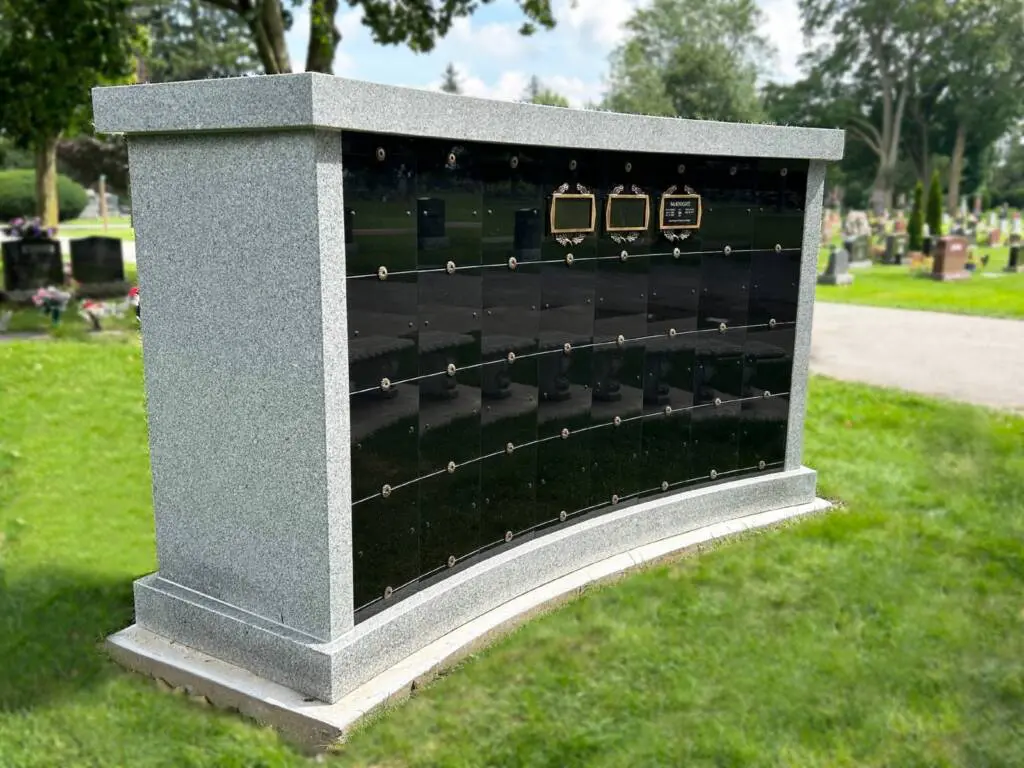
How cemeteries make money and maximize profitability depends on their ability to adapt. Relying solely on in-ground burial plots in the face of shifting consumer demand, reduced land availability, and increased development costs will only result in modest returns. By contrast, operators who invest in columbaria can maximize the value of their existing land and generate long-term growth.
Cemeteries that install columbaria are more profitable—they’re taking a strategic approach that turns land into a high-performing asset. By thinking vertically, operators can expand capacity, accelerate sales, and increase margins—all without having to acquire more land.
Kyber Columbarium and Construction: Your Partner in Profitability
Unlock the profit potential of your cemetery with KyberCC’s proven columbarium solutions. Our engineering and design expertise ensures every square foot of your property contributes to sustainable growth and solid returns. Contact us today to learn how your cemetery’s investment in columbaria can drive profitability for decades to come.


